Dental disease is one of the most common problems we see in veterinary practice. While a regular check-up with us will help to identify any dental issues your pet might be hiding, there are a few things you can look out for at home: …
It is entertaining to watch, and many people wonder what it means. Well, it might surprise you to know that your pooch may have a good reason for tail chasing. …
If you’ve noticed that your pet has a new lump, especially if it is growing quickly or causing discomfort, we recommend booking a consultation with our veterinary team for a proper assessment to test a lump. With physical examination and further laboratory testing if needed, we can differentiate tumours from other types of tissue swelling (e.g. inflammation, infection or cysts) and ascertain the specific type of tumour. …
There is often no perfect diet to suit every pet, however there are some things to keep in mind when choosing a type of pet food for your furry friend. Here’s some of the most common food types on offer for dogs and cats. …
Uh oh! You were having a lovely cuddle with your pet when you felt a small lump on their skin… what could it be, and does it warrant a vet visit? Here’s what to do when there are skin lumps in pets! …
Whipworms (trichuriasis) are intestinal parasites that are most commonly found in dogs, and sometimes in cats. They are relatively small with a maximum length of 5-8 cms and are called whipworms for their thin, whip-like front end that carries a slightly thicker backend. These worms feed on your pet’s blood by attaching to the walls of the large intestine. …
There are countless reasons why your pet might stop eating and several important indicators to see when your pet’s appetite is “off”. For example, if he eats, how quickly he eats, if he seems interested in eating to only walk away after a sniff, if he tries to eat but can’t chew properly. These are all clues that can help your vet identify what the underlying problem is. …
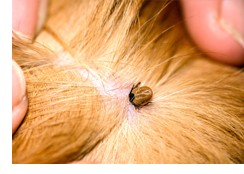
Is your pet up-to-date with a thorough routine of external parasite prevention? Depending on your dog or cat’s home environment and lifestyle, common parasites that could hitch a harmful ride on your pet include fleas, paralysis ticks, brown ticks and mites, such as sarcoptes. …